Smart Construction Techniques for Modern Homes in Kerala
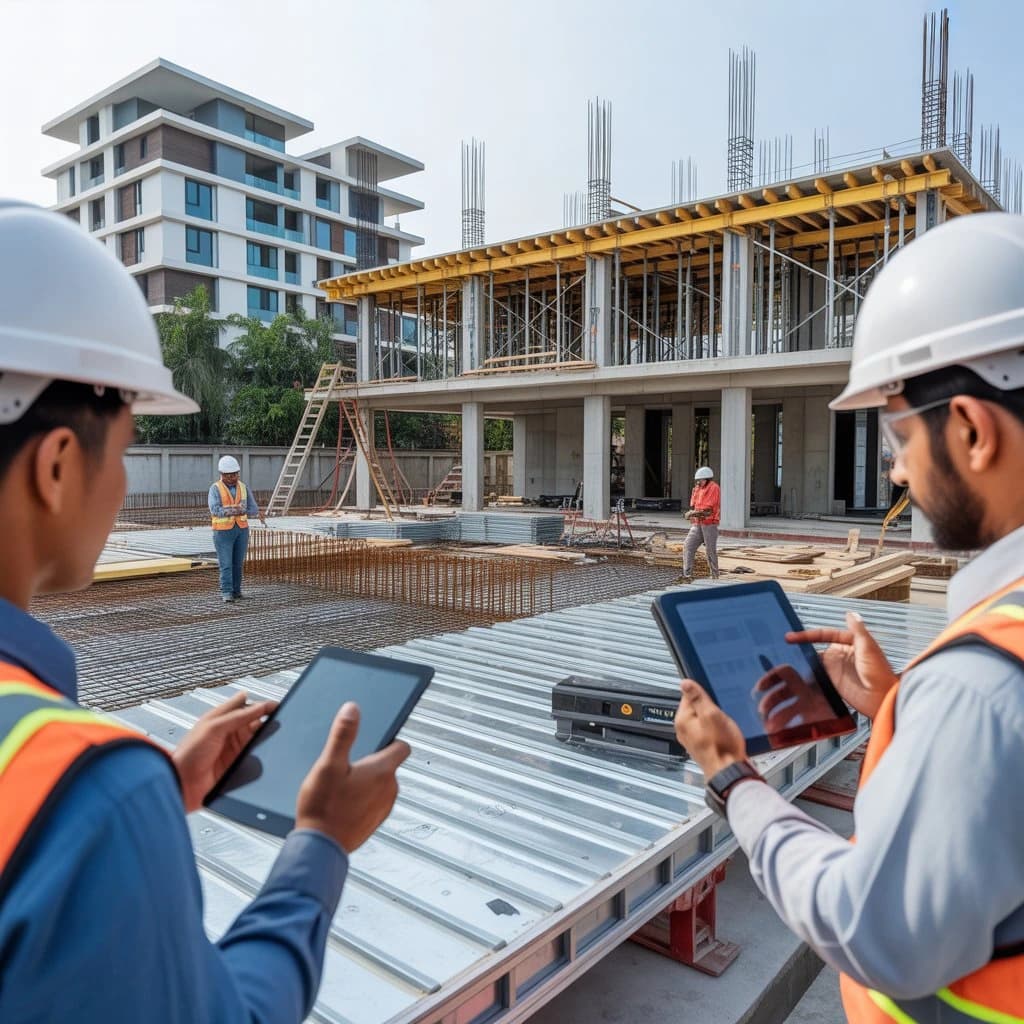 Construction
Introduction
Choosing the right construction company in Kerala can transform your dream home into reality using advanced building methods that prioritize quality, sustainability, and innovation. Modern construction techniques have revolutionized how we build homes today, offering superior durability, energy efficiency, and aesthetic appeal. In this guide, you'll discover the latest smart construction techniques that combine traditional craftsmanship with cutting-edge technology, helping you make informed decisions for your next building project. Whether you're planning a new home or renovation, understanding these methods will ensure your investment stands the test of time.
Key Takeaways
Modern construction combines innovation with sustainability to create homes that are durable, efficient, and environmentally responsible. Civil contractors in Kochi now employ advanced techniques like modular construction, green building practices, and smart technology integration to deliver superior results. Sustainable building in Kerala focuses on using locally sourced materials, energy-efficient designs, and water conservation systems. These approaches not only reduce construction time and costs but also create healthier living spaces that align with modern home design principles.
Understanding Smart Construction: The Foundation of Quality Building
Smart construction refers to the integration of advanced planning, innovative materials, and technology-driven processes that optimize every phase of home building. This approach goes beyond traditional methods by incorporating data-driven decision-making, precision engineering, and sustainable practices. Modern builders use Building Information Modeling (BIM) software to create detailed 3D visualizations, allowing homeowners to see their project before construction begins. This reduces errors, minimizes waste, and ensures that every element aligns with the design vision.
The benefits of smart construction are substantial. Projects typically finish 20-30% faster than conventional builds, with material waste reduced by up to 15%. Cost predictability improves significantly as digital tools track expenses in real-time, preventing budget overruns. Quality control becomes more rigorous through systematic inspections and documentation at every stage. For homeowners in Kerala, choosing materials for modern home construction becomes easier when working with experienced professionals who understand local climate challenges and architectural traditions.
Sustainable Building Practices: Eco-Friendly Solutions for Kerala Homes
Sustainable building in Kerala addresses the region's unique tropical climate while minimizing environmental impact. This approach uses renewable resources, energy-efficient systems, and waste reduction strategies throughout the construction process. Locally sourced materials like laterite stone, clay tiles, and bamboo reduce transportation emissions and support regional economies. These materials are naturally suited to Kerala's monsoon climate, offering excellent thermal properties and moisture resistance.
Energy efficiency starts with strategic design elements. Proper orientation maximizes natural light and ventilation, reducing dependence on artificial cooling and lighting. Installing solar panels, rainwater harvesting systems, and greywater recycling infrastructure makes homes largely self-sufficient. Green roofs and vertical gardens provide natural insulation while improving air quality. According to the Indian Green Building Council, sustainable homes consume 40-50% less energy than conventional buildings and maintain 20-30% lower operational costs over their lifetime.
Key sustainable features include:
Solar water heating systems that reduce electricity consumption by 60-70%
Low-VOC paints and finishes that improve indoor air quality
LED lighting and energy-efficient appliances throughout the home
Permeable paving materials that prevent water runoff and flooding
Natural ventilation systems designed for Kerala's coastal climate
Partnering with experienced civil contractors in Kochi ensures these sustainable features integrate seamlessly into your home design, balancing ecological responsibility with practical functionality.
Modular and Prefabricated Construction: Speed Meets Quality
Modular construction represents a paradigm shift in how homes are built, offering unprecedented speed without compromising quality. This method involves manufacturing building components in controlled factory environments, then assembling them on-site. Quality control improves dramatically as each module undergoes rigorous testing before leaving the factory. Weather delays become minimal since most construction happens indoors, making timelines more predictable.
The advantages extend beyond speed. Factory production reduces material waste by 50-60% compared to traditional construction, as leftover materials get recycled for future projects. Labor costs decrease as skilled workers operate efficiently in controlled environments. On-site construction time drops by 30-40%, reducing neighborhood disruption and security concerns. Quality consistency improves as standardized processes eliminate many variables that affect traditional builds.
Statistics on modular construction efficiency:
Construction timelines reduced by 30-50% compared to traditional methods
Material waste decreased by 50-60% through precision manufacturing
Cost savings of 10-20% on comparable traditionally-built homes
20% improvement in energy efficiency through tighter building envelopes
Flexibility to expand or modify structures in future renovations
Residential layout planning in Kochi benefits significantly from modular techniques, allowing architects to design flexible spaces that adapt to changing family needs while maintaining structural integrity.
Advanced Foundation Techniques for Long-Lasting Structures
Foundation engineering has evolved significantly, with modern techniques addressing Kerala's varied soil conditions and monsoon challenges. Soil testing now uses advanced geotechnical analysis to determine load-bearing capacity, water table levels, and potential settlement issues. This data informs foundation design, whether using traditional footings, pile foundations, or raft systems. Ground improvement methods like soil stabilization and compaction ensure reliable support for structures.
Waterproofing has become more sophisticated with crystalline technology that makes concrete self-healing and permanently waterproof. Membrane systems protect foundations from hydrostatic pressure during heavy rains. Proper drainage design prevents water accumulation around foundations, eliminating the primary cause of structural damage. Termite protection systems integrate into foundations, providing decades of protection without harmful chemicals.
Modern foundation construction also considers seismic activity, though Kerala experiences relatively mild earthquakes. Reinforcement patterns and tie-beam systems add resilience, ensuring homes remain safe during unexpected events. These foundations support heavier loads, allowing for future vertical expansion if needed. The initial investment in quality foundations pays dividends through reduced maintenance costs and extended building lifespan, often exceeding 75-100 years with proper care.
Smart Home Technology Integration in Modern Construction
Modern home design increasingly incorporates intelligent systems that enhance comfort, security, and energy efficiency. Smart home technology should be planned during construction, not added as an afterthought. This integration begins with robust networking infrastructure—structured cabling and strong Wi-Fi coverage throughout the home. Central control systems manage lighting, climate, security, and entertainment from smartphones or voice commands.
Automation extends to practical applications that improve daily life. Smart thermostats learn household patterns, adjusting temperatures for optimal comfort while minimizing energy use. Automated lighting systems adjust based on natural light levels and occupancy, reducing electricity consumption by 20-30%. Security systems with cameras, motion sensors, and smart locks provide real-time monitoring and remote access. Water leak detectors prevent costly damage by alerting homeowners immediately to plumbing issues.
The investment in smart technology yields measurable returns. Energy monitoring systems identify consumption patterns, helping families reduce waste and lower utility bills. Predictive maintenance alerts notify homeowners of potential equipment failures before breakdowns occur. Home value increases by 5-10% when smart features are professionally integrated during construction. These systems also offer aging-in-place benefits, allowing seniors to remain in their homes longer with automated assistance and remote health monitoring capabilities.
Conclusion
Smart construction techniques have revolutionized home building in Kerala, combining traditional wisdom with modern innovation to create superior living spaces. Working with an experienced construction company in Kerala ensures your project benefits from sustainable practices, advanced materials, modular efficiency, robust foundations, and integrated smart technology. These methods deliver homes that are more durable, energy-efficient, and valuable than ever before. The initial investment in quality construction pays dividends through reduced maintenance costs, lower utility bills, and enhanced comfort for decades.
As you plan your dream home, consider these smart techniques as essential rather than optional. The construction landscape continues evolving, and staying informed helps you make decisions that protect your investment. Explore inspiring home renovation ideas or learn about combining design and function in material selection to further refine your vision. Ready to start building? Contact Teaminfra Structure & Foundation LLP today to discuss how our 30+ years of expertise can bring your modern home dreams to life with cutting-edge construction techniques.
Frequently Asked Questions
What makes a construction company in Kerala reliable for modern home projects?

A reliable construction company in Kerala demonstrates 30+ years of experience, proper licensing, and expertise in local climate challenges. They use quality materials, maintain transparent communication, and deliver projects on schedule with adherence to safety standards and building codes.
How do civil contractors in Kochi ensure project quality?
Civil contractors in Kochi ensure quality through systematic inspections at every construction phase, using certified materials, and employing skilled laborers. They implement BIM technology for precision planning and maintain detailed documentation throughout the project lifecycle for accountability and transparency.
What are the benefits of sustainable building in Kerala?
Sustainable building in Kerala reduces energy costs by 40-50%, minimizes environmental impact, and creates healthier living spaces. It utilizes locally sourced materials like laterite stone, incorporates solar panels and rainwater harvesting, and ensures homes remain naturally cool during Kerala's tropical climate.
How does modern home design incorporate smart technology?
Modern home design integrates smart technology through structured cabling, automated lighting systems, climate control, and security features. These systems reduce energy consumption by 20-30%, provide remote monitoring capabilities, and increase property value by 5-10% while enhancing comfort and convenience.
What is modular construction and how does it benefit homeowners?
Modular construction involves manufacturing building components in factories before on-site assembly. This method reduces construction time by 30-50%, minimizes material waste by 60%, ensures better quality control, and provides cost savings of 10-20% compared to traditional building approaches.
How long does it take to build a modern home in Kerala?
Building a modern home in Kerala typically takes 12-18 months for traditional construction, while modular techniques reduce this to 8-12 months. Timeline depends on project size, design complexity, weather conditions, and architect selection in Cochin, with proper planning ensuring timely completion.
What foundation types work best for Kerala's soil conditions?
Kerala's varied soil conditions require foundations based on geotechnical analysis. Options include reinforced concrete footings for stable soil, pile foundations for weak soil areas, and raft systems for large structures. Proper waterproofing and drainage protection ensure longevity during monsoon seasons.
How much does sustainable building add to construction costs?
Sustainable building initially adds 5-10% to construction costs but generates long-term savings through reduced utility bills and maintenance expenses. Energy-efficient systems, solar panels, and rainwater harvesting typically achieve return on investment within 5-7 years while significantly increasing property value.
What materials are recommended for modern home construction in Kerala?
Recommended materials include laterite stone for walls, clay tiles for roofing, and AAC blocks for insulation. Expert material selection balances durability with climate suitability, using low-VOC paints, termite-resistant wood, and moisture-resistant concrete formulations for Kerala's tropical environment.
Can existing homes be upgraded with smart construction techniques?
Existing homes can be upgraded through flat renovation strategies that incorporate smart technology, energy-efficient systems, and sustainable features. Renovations improve functionality, reduce energy costs, and modernize spaces without complete reconstruction, maintaining structural integrity while enhancing comfort.