Heritage Home Renovations in Kerala: Preserving Character While Adding Modern Comfort
 Renovation
Introduction
Kerala's heritage homes tell stories of timeless craftsmanship and architectural brilliance. When it comes to home renovation Kerala projects, these century-old structures present unique opportunities to blend traditional aesthetics with contemporary living standards. Whether you own a traditional Nalukettu or a colonial-era bungalow, preserving the character of your heritage property while introducing modern comfort requires careful planning, skilled craftsmanship, and deep respect for architectural heritage. This guide explores proven strategies to help homeowners successfully renovate their heritage properties without compromising their historical and cultural significance.
Key Takeaways
Heritage home renovations require specialized expertise to maintain structural integrity and architectural authenticity while integrating modern amenities
Selecting traditional materials like Burma teak, laterite stone, and clay tiles ensures aesthetic continuity while meeting contemporary performance standards
Working with experienced house renovation contractors in Kerala who understand heritage conservation principles is essential for successful project outcomes
Understanding the Unique Appeal of Kerala's Heritage Homes
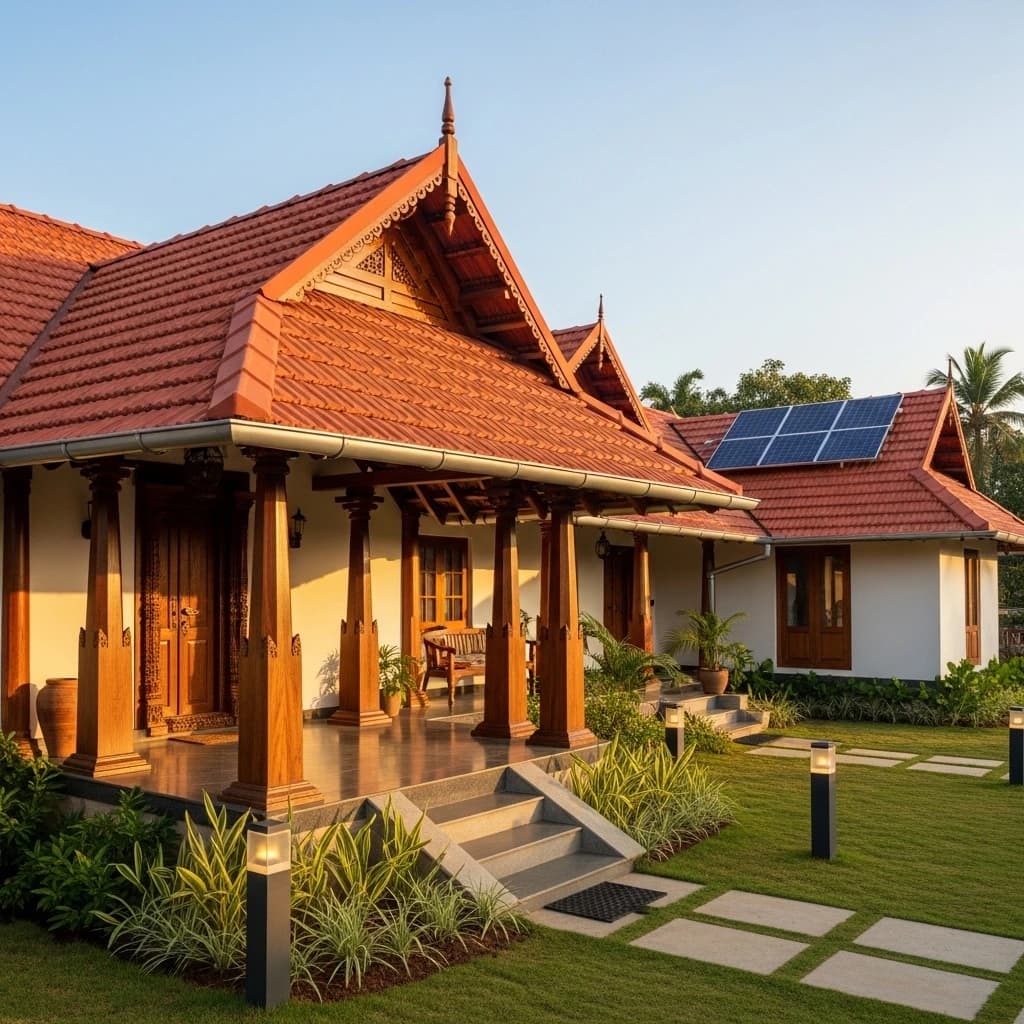
Kerala's heritage homes represent a remarkable fusion of indigenous architectural wisdom and regional craftsmanship that has evolved over centuries. These structures showcase distinctive features including sloping tiled roofs, intricate wooden carvings, central courtyards (nadumuttam), and verandas (poomukham) designed for tropical climates. The traditional architecture maximizes natural ventilation, provides excellent thermal comfort, and creates harmonious living spaces that connect inhabitants with nature.
Heritage properties in regions like Kochi and Thrissur often feature unique construction techniques passed down through generations of traditional craftsmen. The use of locally sourced materials such as laterite stone, coconut wood, and Mangalore tiles not only created aesthetically pleasing structures but also ensured environmental sustainability. Understanding these architectural principles forms the foundation for any successful home renovation project in Kerala that aims to preserve historical character while meeting modern living requirements.
Key Challenges in Heritage Home Renovation
Renovating heritage homes presents several distinct challenges that differ significantly from standard residential projects. The primary concern involves maintaining structural integrity while upgrading aging infrastructure. Many heritage properties feature wooden load-bearing structures that may have suffered termite damage, moisture penetration, or natural deterioration over decades. Addressing these issues requires specialized assessment techniques and conservation-grade treatment methods that preserve original materials wherever possible.
Another significant challenge involves navigating regulatory requirements and obtaining necessary permissions from local authorities and heritage conservation bodies. Properties designated as heritage structures may have specific restrictions regarding alterations to facades, rooflines, or structural elements. Additionally, sourcing authentic traditional materials that match original construction specifications can be difficult, as many traditional building materials and craftsmanship techniques have become scarce. Modern building codes and safety standards must also be integrated without compromising the home's historical character.
Finding skilled craftsmen who understand traditional construction techniques represents yet another hurdle. The pool of artisans proficient in traditional woodworking, stone masonry, and heritage restoration continues to shrink. Successful house renovation Kochi projects require experienced professionals who can seamlessly blend old-world craftsmanship with contemporary construction methods, ensuring both aesthetic authenticity and functional durability.
Balancing Traditional Architecture with Modern Amenities
Successfully integrating modern amenities into heritage homes requires thoughtful planning and creative problem-solving. The goal is to enhance comfort and functionality without disrupting the architectural harmony that makes these structures special. This balance can be achieved through strategic interventions that respect original design principles while accommodating contemporary lifestyle needs.
Consider these essential integration strategies for cochin home renovations:
Hidden Infrastructure: Conceal modern electrical wiring, plumbing, and HVAC systems within existing structural cavities or behind traditional finishes to maintain visual authenticity
Smart Material Selection: Choose contemporary materials that mimic traditional aesthetics, such as cement tiles designed to replicate antique patterns or engineered wood with traditional finishes
Respectful Additions: Design new bathrooms and kitchens in locations that minimize impact on original spaces, often utilizing previously unused service areas
Climate Control: Install discreet split air conditioning units or ceiling fans that complement traditional architectural elements rather than competing with them
Lighting Solutions: Incorporate LED lighting fixtures designed in traditional styles, providing energy efficiency while maintaining period-appropriate aesthetics
The key lies in understanding which elements define your home's heritage character and which aspects can be updated without compromising authenticity. Working with experienced architects in Cochin who specialize in heritage conservation ensures that modern interventions enhance rather than detract from your property's historical significance.
Essential Materials for Authentic Heritage Restoration
Selecting appropriate materials represents one of the most critical decisions in heritage home renovation projects. Authentic restoration requires sourcing materials that match or complement the original construction while meeting modern performance standards. Traditional Kerala architecture relied on locally available, durable materials that have proven their worth over centuries.
Key Heritage Materials and Their Modern Applications:
Burma Teak and Rosewood: Premium hardwoods for doors, windows, pillars, and intricate carvings. Modern alternatives include sustainably sourced teak or high-quality engineered wood with traditional finishes
Laterite Stone: Porous sedimentary rock used for foundations and walls, offering excellent thermal mass and natural insulation properties
Mangalore Clay Tiles: Traditional roofing material providing superior ventilation and weather resistance, now available in various grades and finishes
Lime Mortar: Traditional binding material superior to cement for heritage structures, allowing walls to breathe and preventing moisture accumulation
Coconut Wood: Sustainable alternative for non-structural elements, offering durability and authentic aesthetic appeal
When authentic materials prove difficult to source, modern alternatives must be carefully selected based on visual compatibility, performance characteristics, and long-term durability. The right material selection for homes balances authenticity with practicality, ensuring your renovation stands the test of time while honoring traditional craftsmanship.
According to heritage conservation experts, properties renovated using appropriate traditional materials typically maintain 20-30% higher property values compared to those using incompatible modern materials. This underscores the importance of investing in quality materials that preserve your home's heritage character.
Working with the Right Renovation Team
The success of heritage home renovation heavily depends on assembling a team with specialized expertise in conservation and restoration. Unlike standard residential projects, heritage renovations require professionals who understand traditional construction methods, have access to authentic materials, and possess sensitivity to historical architecture. Your team should include architects experienced in heritage conservation, structural engineers familiar with traditional building systems, and skilled craftsmen trained in traditional techniques.
When selecting house renovation contractors in Kerala, verify their portfolio of heritage projects and seek references from previous clients. The ideal contractor should demonstrate knowledge of traditional Kerala architecture, understanding the specific requirements of Nalukettu homes, colonial bungalows, or other heritage structures. They should also have established relationships with suppliers of traditional materials and a network of specialized craftsmen.
Communication and collaboration between all team members ensure that modern upgrades integrate seamlessly with traditional elements. Regular site meetings and progress reviews help identify potential issues early, allowing for timely adjustments that protect your home's heritage character while achieving your renovation goals.
Sustainable Practices in Heritage Home Renovation
Heritage home renovation aligns naturally with sustainable building practices, as traditional architecture inherently incorporated environmental considerations. Modern renovation projects can enhance these sustainable features while adding contemporary efficiency measures. Traditional Kerala homes already excel at passive cooling through courtyards, high ceilings, and strategic window placement—features that reduce reliance on mechanical cooling systems.
Incorporating modern sustainable practices includes installing solar panels designed to minimize visual impact on traditional rooflines, implementing rainwater harvesting systems that complement existing water management features, and upgrading insulation using natural materials like coir or sheep wool that match traditional construction methods. Studies show that heritage buildings renovated with sustainable practices can achieve 30-40% reductions in energy consumption compared to pre-renovation levels.
Water conservation measures such as dual-flush toilets, low-flow fixtures, and greywater recycling systems can be seamlessly integrated into heritage properties without compromising aesthetic integrity. These additions not only reduce environmental impact but also lower operational costs, making heritage home ownership more sustainable and economical in the long term.
Conclusion
Heritage home renovation in Kerala offers the unique opportunity to preserve architectural treasures while creating comfortable, functional living spaces for modern families. By respecting traditional design principles, selecting appropriate materials, and working with experienced professionals who understand conservation requirements, you can successfully transform your heritage property. The key to successful home renovation Kerala projects lies in viewing your heritage home not as a constraint but as a canvas for creative integration of old and new. Whether you're planning a comprehensive restoration or targeted upgrades, investing in quality craftsmanship and authentic materials ensures your heritage home continues telling its story for generations to come. Contact our experienced team to discuss how we can help preserve your heritage property's character while creating the modern comfort you deserve.
Frequently Asked Questions
What is the average cost of home renovation Kerala for heritage properties?

Heritage home renovation Kerala typically costs ₹1,800-₹3,500 per square foot, depending on restoration complexity, material authenticity, and structural repairs needed. Comprehensive projects involving traditional craftsmanship and premium materials generally require higher investment than standard renovations.
How long does a typical heritage house renovation Kochi project take?
House renovation Kochi projects for heritage homes usually take 6-12 months, depending on property size, structural condition, and scope of work. Complex restorations requiring specialized craftsmen, custom materials, or extensive structural repairs may extend beyond this timeframe.
Do I need special permits for heritage home renovations in Kerala?
Yes, heritage properties often require permits from local municipal authorities and heritage conservation committees. These approvals ensure renovations comply with conservation guidelines, maintain architectural integrity, and preserve historical significance while meeting modern safety standards.
What are the key features to preserve in Kerala heritage homes?
Essential features include traditional wooden elements like pillars and carved doorways, sloping tiled roofs, central courtyards (nadumuttam), intricate jaali work, and verandas. Preserving these architectural details maintains your home's historical character and cultural value.
Can modern amenities be added without damaging heritage architecture?
Absolutely. Cochin home renovations successfully integrate modern plumbing, electrical systems, air conditioning, and smart home features by concealing infrastructure within existing structural cavities, minimizing visual impact while preserving traditional aesthetics and architectural authenticity throughout the property.
How do I find qualified house renovation contractors in Kerala for heritage projects?
Look for house renovation contractors in Kerala with proven heritage restoration portfolios, conservation expertise, and access to traditional craftsmen. Verify credentials, check completed project references, and ensure they understand Kerala's traditional architecture and material sourcing requirements.
What traditional materials are best for authentic Kerala heritage restoration?
Burma teak, rosewood, laterite stone, Mangalore clay tiles, and lime mortar are ideal for authentic restoration. These materials match original construction specifications while providing durability. Combining design with function ensures both aesthetic authenticity and modern performance.
Are heritage home renovations in Kerala a good investment?
Yes, properly renovated heritage homes command premium market values, often 20-30% higher than comparable modern properties. They offer unique character, cultural significance, superior construction quality, and strong appreciation potential, making them excellent long-term investments.
What structural issues are common in Kerala's old heritage homes?
Common issues include termite damage in wooden structures, moisture penetration, foundation settlement, roof leaks, and deteriorating lime mortar. Professional structural assessment identifies these problems early, allowing targeted interventions that preserve original materials while ensuring safety.
Can I renovate a heritage home to be energy-efficient?
Heritage homes can achieve 30-40% energy savings through strategic upgrades like solar panels, improved insulation using natural materials, rainwater harvesting, LED lighting in traditional fixtures, and enhanced passive cooling. These modern construction choices complement traditional design.