Sustainable Interiors in Kerala: Eco-Friendly Design That Doesn't Compromise Style
Introduction
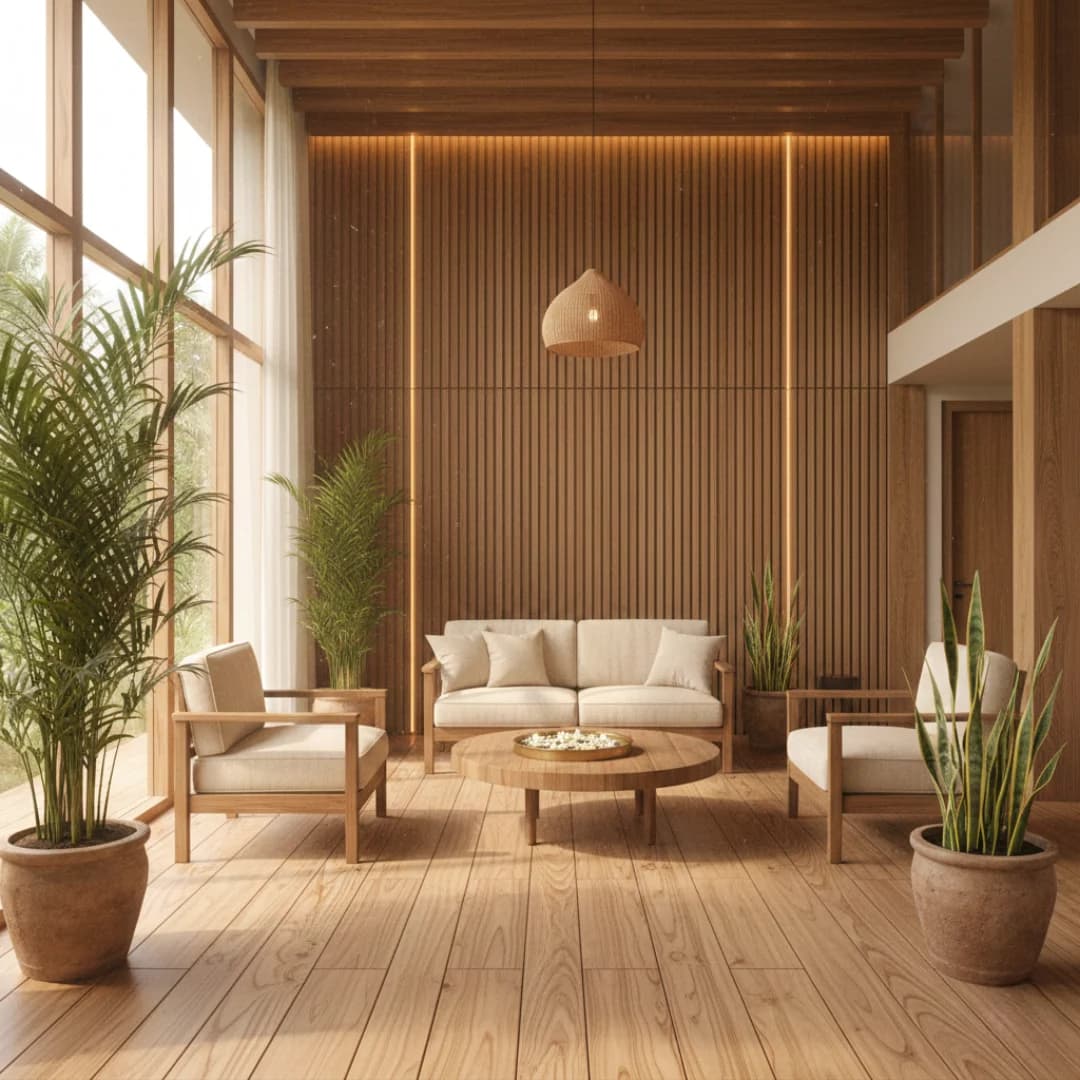
Sustainable interior design is transforming homes across Kerala, and partnering with the best interior designing company in Kochi ensures your space reflects both environmental responsibility and aesthetic excellence. As homeowners increasingly prioritize eco-conscious living, the demand for interiors that combine natural materials, energy efficiency, and timeless style has never been higher. This comprehensive guide explores how you can create stunning, sustainable interiors that honor Kerala's rich heritage while embracing modern design principles—without compromising on luxury or functionality.
Key Takeaways
Sustainable interiors reduce environmental impact while enhancing indoor air quality and long-term cost savings through energy-efficient solutions and locally sourced materials.
Kerala's climate and natural resources provide unique opportunities for eco-friendly design, from bamboo and reclaimed wood to natural ventilation systems that work with the tropical environment.
Working with experienced interior design firms in Kochi ensures your sustainable vision is executed professionally, incorporating both traditional craftsmanship and contemporary eco-innovations.
Why Sustainable Interior Design Matters in Kerala
Sustainable design aligns with Kerala's environmental heritage while addressing modern challenges like resource scarcity, climate change, and indoor air quality concerns.
Kerala's unique position as "God's Own Country" comes with a responsibility to preserve its natural beauty. Sustainable interior design goes beyond aesthetics—it represents a commitment to reducing carbon footprints, supporting local artisans, and creating healthier living environments. The tropical climate of Kerala makes energy efficiency particularly crucial, as cooling costs can account for up to 40% of household energy consumption. By choosing sustainable materials and thoughtful design, homeowners can significantly reduce energy bills while minimizing environmental impact. Moreover, Kerala's rich tradition of using natural materials like laterite stone, clay tiles, and coir provides a foundation for contemporary sustainable practices that honor local heritage.
Essential Eco-Friendly Materials for Kerala Interiors
Selecting the right sustainable materials—from bamboo flooring to reclaimed wood—forms the foundation of environmentally responsible interior design.
Material Selection for Longevity and Beauty
The best interior design in Kerala starts with carefully chosen materials that balance durability, aesthetics, and environmental impact. Bamboo flooring has emerged as a premier choice, offering hardwood's elegance with rapid renewability—bamboo matures in just 3-5 years compared to hardwood's 20-30 years. Reclaimed teak and rosewood, sourced from old Kerala homes, bring character and history while preventing deforestation. For wall treatments, natural clay plasters and lime-based paints provide breathability essential for Kerala's humid climate, naturally regulating moisture and preventing mold growth.
Top Sustainable Materials:
Bamboo: Flooring, furniture frames, and decorative panels
Reclaimed wood: Ceiling beams, feature walls, and custom furniture
Natural stone: Laterite for walls, granite for countertops
Cork: Flooring and wall insulation
Jute and coir: Rugs, upholstery, and wall coverings
Recycled glass: Backsplashes, countertops, and decorative elements
When partnering with established home interior design Kochi professionals, you gain access to suppliers who ethically source these materials, ensuring authenticity and quality. Statistics show that homes using sustainable materials experience 30-50% better indoor air quality and 20-35% reduction in energy costs over conventional designs.
Energy-Efficient Design Strategies for Kerala Homes
Implementing passive cooling techniques, strategic window placement, and energy-efficient lighting transforms Kerala homes into comfortable, low-energy sanctums.
Kerala's tropical climate demands intelligent design solutions that work with nature rather than against it. Cross-ventilation remains the most effective passive cooling strategy—positioning windows and openings to capture prevailing breezes can reduce indoor temperatures by 3-5°C without mechanical intervention. Interior design firms in Kochi specializing in sustainable practices incorporate high ceilings with ventilators, allowing hot air to rise and escape naturally. Double-roof systems, traditional to Kerala architecture, create an insulating air gap that significantly reduces heat transfer.
Lighting design plays an equally crucial role. LED fixtures consume 75% less energy than incandescent bulbs and last 25 times longer. Installing occupancy sensors and dimmer switches can further reduce consumption by 20-30%. Maximizing natural daylight through clerestory windows, skylights, and light wells reduces daytime electricity needs while connecting interiors to the outdoors. Solar tube lighting systems can bring natural light into interior rooms without heat gain, perfect for Kerala's sunny climate. For expert implementation of these strategies, consider consulting professionals who understand Kerala's unique architectural requirements.
Incorporating Traditional Kerala Elements Sustainably
Blending Kerala's architectural heritage—nalukettu courtyards, carved wooden elements, and traditional color palettes—with modern sustainability creates culturally resonant, eco-friendly spaces.
Traditional Kerala architecture offers time-tested sustainable solutions that modern design can reinterpret. The nalukettu's central courtyard (nadumuttam) creates a natural ventilation shaft while bringing light and rainwater harvesting opportunities into the home's core. Wooden pillars (thoonnu) carved from sustainably sourced teak or jackwood add structural beauty while regulating humidity through natural absorption and release. Traditional verandas (poomukham) create transitional spaces that shade walls, reducing heat gain by up to 40%.
Color choices also reflect sustainable thinking. Traditional Kerala palettes—ochre, terracotta, deep greens, and natural wood tones—derive from earth pigments and natural dyes that are non-toxic and biodegradable. These colors complement Kerala's landscape, creating visual harmony between interior and exterior spaces. Modern interpretations by the best interior designing company in Kochi maintain these color philosophies while incorporating contemporary furnishings and layouts. Adding traditional elements like brass uruli (vessels) as water features, coir-based textiles, and locally crafted pottery reinforces cultural identity while supporting local artisans and reducing transportation emissions.
Sustainable Furniture and Décor Choices
Choosing multifunctional, locally crafted furniture made from sustainable materials creates interiors that are both environmentally responsible and uniquely personal.
Furniture represents a significant investment in both cost and environmental impact. Opting for pieces crafted by local Kerala artisans using sustainably sourced wood, bamboo, or rattan supports the regional economy while reducing transportation emissions. Multifunctional furniture—such as storage beds, extendable dining tables, and modular seating—maximizes space efficiency, particularly valuable in urban apartments. Quality craftsmanship ensures longevity, countering the disposable culture of fast furniture that contributes to landfill waste.
Sustainable Décor Strategies:
Vintage and antique pieces that add character while eliminating new production
Upcycled furniture created from reclaimed materials
Natural fiber textiles: organic cotton, hemp, and handloom fabrics
Indoor plants that purify air: snake plants, peace lilies, and areca palms
Handcrafted Kerala lamps and metal work supporting traditional artisans
Minimal, intentional décor reducing clutter and resource consumption
When renovating existing spaces, thoughtful updates to interiors can incorporate sustainable elements without complete overhauls. Simply reupholstering existing furniture with organic fabrics, refinishing wood pieces with non-toxic finishes, or adding natural fiber rugs can dramatically improve a space's sustainability profile while refreshing its aesthetic.
Working with Professionals for Sustainable Design
Collaborating with experienced sustainable design professionals ensures your vision is realized efficiently, avoiding costly mistakes while accessing specialized knowledge and supplier networks.
While DIY enthusiasm is admirable, sustainable interior design requires expertise in material sourcing, building science, and design integration. Professional interior design firms in Kochi bring several advantages: established relationships with ethical suppliers, knowledge of local building codes and sustainability certifications, and experience balancing aesthetic goals with environmental performance. They can navigate the complexities of sustainable materials understanding which products genuinely deliver on environmental claims versus "greenwashing."
Professionals also provide crucial services like indoor air quality assessments, energy modeling, and lifecycle cost analysis. These evaluations reveal long-term savings that justify upfront investments in sustainable features. For instance, while high-efficiency windows may cost 30% more initially, they can reduce cooling costs by 25-40% over their lifetime. Experienced designers create detailed specifications and oversee installation, ensuring materials are properly handled and installed for maximum performance and longevity.
When selecting a design partner, review their portfolio for sustainable projects, inquire about certifications (LEED, IGBC, or GRIHA knowledge), and discuss their approach to local sourcing and waste management. Teaminfra's comprehensive services exemplify the integrated approach needed for successful sustainable interiors, combining architectural expertise with construction management and a deep understanding of Kerala's environmental context.
Conclusion
Sustainable interiors in Kerala represent the perfect marriage of environmental stewardship, cultural heritage, and contemporary design. By embracing eco-friendly materials, energy-efficient strategies, and traditional Kerala architectural wisdom, homeowners create spaces that are healthier, more cost-effective, and deeply connected to place. The journey toward sustainable design need not compromise luxury or style—rather, it enhances both through thoughtful material selection, skilled craftsmanship, and designs that work harmoniously with Kerala's tropical climate. Whether building new or renovating existing spaces, partnering with the best interior designing company in Kochi ensures your sustainable vision becomes reality. Ready to transform your home with eco-friendly design? Contact Teaminfra today to begin your sustainable interior journey and discover how environmental responsibility and stunning aesthetics beautifully coexist.
Frequently Asked Questions
What makes an interior design truly sustainable?

Sustainable interior design minimizes environmental impact through locally sourced materials, energy-efficient systems, non-toxic finishes, and designs that prioritize longevity over trends. It considers the entire lifecycle from material extraction through daily use to eventual disposal or recycling.
Are sustainable interiors more expensive than conventional designs?
Initial costs may be 10-20% higher, but sustainable interiors typically offer 20-40% lower operating costs through reduced energy consumption and minimal maintenance. Long-term savings often offset upfront investments within 5-7 years, making them financially advantageous overall.
Which sustainable materials work best for Kerala's humid climate?
Materials like bamboo, teak, laterite stone, lime plaster, and natural clay perform exceptionally well in Kerala's humidity. These materials naturally regulate moisture, resist mold growth, and maintain structural integrity. Avoid materials prone to moisture damage like untreated MDF or certain synthetic composites.
How can I verify if materials are genuinely eco-friendly?
Look for recognized certifications like FSC for wood, GREENGUARD for low-emission products, or Energy Star for appliances. Request documentation on material sourcing and manufacturing processes. Reputable interior design professionals maintain relationships with verified sustainable suppliers.
Can I retrofit my existing home with sustainable features?
Absolutely. Start with high-impact changes: LED lighting, energy-efficient appliances, improved insulation, and natural ventilation enhancement. Replace conventional materials gradually during renovations with sustainable alternatives. Even small changes like low-VOC paints and natural fiber textiles improve sustainability.
Do sustainable interiors require special maintenance?
Most sustainable materials require minimal maintenance and are often more durable than conventional options. Natural wood needs periodic oiling, bamboo flooring benefits from humidity control, and natural stone requires sealing. These maintenance needs are generally simpler and use non-toxic products.
How do I balance traditional Kerala aesthetics with modern sustainable design?
Work with designers experienced in both domains who can reinterpret traditional elements using sustainable methods. Incorporate classic Kerala features like wooden ceilings, courtyards, and traditional color palettes while integrating modern sustainable technologies like solar panels and smart home systems for energy management.
What role do indoor plants play in sustainable Kerala interiors?
Indoor plants significantly improve air quality by filtering toxins and increasing oxygen levels. In Kerala's climate, species like areca palm, snake plant, and money plant thrive indoors, requiring minimal care while enhancing aesthetics. They also contribute to humidity regulation and psychological well-being.
How can sustainable design improve my family's health?
Sustainable interiors eliminate toxic chemicals from paints, adhesives, and synthetic materials that cause respiratory issues and allergies. Natural materials regulate humidity, preventing mold growth. Improved ventilation and daylighting enhance mood and productivity while reducing sick building syndrome symptoms.
Where should I start my sustainable interior design journey?
Begin with a clear vision and priorities. Conduct an energy audit of your current space. Research sustainable material options suitable for Kerala's climate. Most importantly, consult experienced professionals who can guide you through the process, ensuring your sustainable goals are achieved within budget and timeline constraints.