Why Your Home Interior is the Last Thing to Plan but the First Thing Everyone Notices
 General
Walk into any well-finished home in Kerala and you immediately feel it. The light, the layout, the materials and the textures all come together within seconds to create a lasting impression. Yet most homeowners spend the bulk of their planning time on land acquisition, architectural design, and civil milestones, leaving interiors for later. Home interior work in Kerala is consistently treated as the final phase of a project. In reality, it should be woven into the plan from the very beginning. This blog explains why early interior planning saves money, prevents structural conflicts, and results in homes that feel genuinely complete.
Key Takeaways
Treating home interiors as a last-minute task leads to budget strain, structural conflicts, and aesthetic compromises that are difficult to fix.
Early interior planning ensures that wiring, plumbing, false ceilings, and floor levels align with your design vision before walls are sealed.
Homeowners who coordinate construction and interiors from day one experience fewer delays, better budget control, and more cohesive results.
Why Home Interior Work in Kerala Needs to Begin at the Blueprint Stage
Interior design decisions are deeply connected to structural choices, which makes early coordination essential for a smooth and cost-effective build.
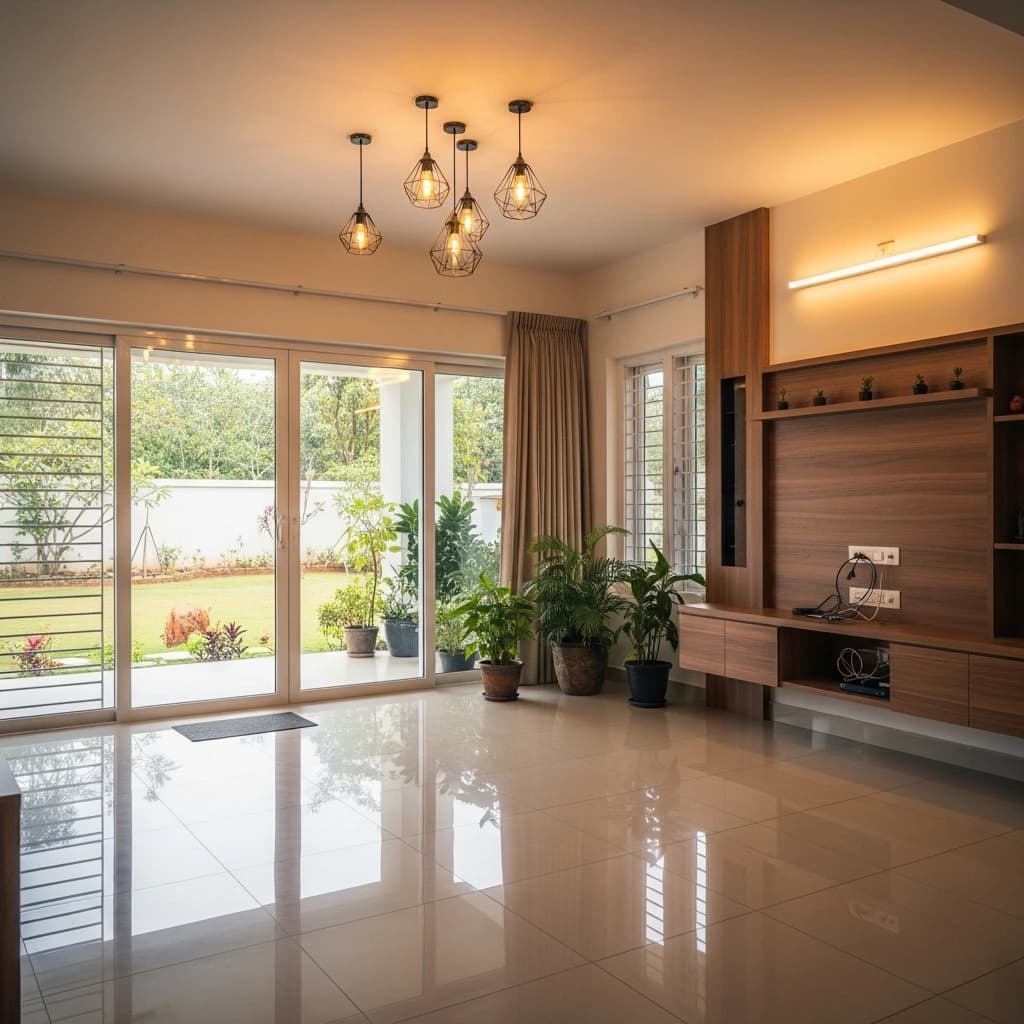
Most homeowners assume that interiors begin after construction ends. In reality, the two processes are inseparable. The placement of electrical conduits, plumbing lines, false ceiling supports, and floor screed levels all depend on your interior plan. If you decide after construction that you want under-counter kitchen lighting, a concealed TV unit, or a cove ceiling in your living room, you will either be cutting into finished walls or settling for surface-mounted alternatives that never look quite right.
In Kerala, where homes range from compact urban apartments to expansive traditional-style villas, this connection between structure and interiors is especially significant. Different architectural styles demand different interior setups, and getting these decisions aligned early is far more efficient than correcting them later. Planning home interior work in Kerala at the blueprint stage means your structural team and interior team are solving the same problem together, not working around each other's decisions after the fact.
A practical example is tile flooring. The size of your tiles determines the floor height, which in turn affects door frame heights and skirting levels throughout the home. If your contractor has already fixed the floor level without knowing your tile selection, changes become expensive and time-consuming. Getting these decisions right early costs nothing extra. Getting them wrong later adds significantly to your budget and delays possession.
The Real Cost of Treating Interiors as an Afterthought
Late-stage interior decisions routinely lead to budget overruns, unnecessary rework, and visual compromises that affect how your home looks and feels for years.
Construction budgets in India tend to expand by the time a project reaches completion. Material costs rise, unexpected site conditions emerge, and scope changes accumulate. By the time the structure is ready, most homeowners have already stretched their initial budget. Whatever remains gets split across flooring, furniture, paint, lighting, and window treatments. The result is a home that looks assembled under pressure rather than designed with intent.
Beyond budget pressure, late interior planning creates a structural problem. Moving a power point after the wall is plastered requires breaking the surface, re-running wires, and replastering the area. Adding a curtain track to a concrete ceiling requires drilling and patching. None of these are major works individually, but they add up quickly in cost, time, and visual impact. Working with experienced house building contractors in kochi who understand how interiors and construction interact can help you avoid these entirely avoidable expenses.
There is also the question of coherence. A home where interiors are planned in stages, as budget allows, rarely feels intentional. The flooring may not match the wall tone. The ceiling height may not suit the lighting fixture chosen months later. Planning everything together from the start is precisely what creates that finished, polished quality that well-designed homes are remembered for.
How to Coordinate Interior Planning with Your Construction Schedule
Synchronising your interior plan with your construction schedule requires early decisions, a clear brief, and consistent communication across your entire project team.
The process begins before your contractor pours the foundation. Start by creating a clear brief for your interior designer that covers your lifestyle needs, storage requirements, room usage patterns, and aesthetic preferences. Share this brief with your structural team so they can plan accordingly from the start.
Key coordination points to address early include:
Electrical rough-ins: Plan all socket positions, light switch locations, and dedicated circuits for appliances before plastering begins.
Plumbing rough-ins: Finalise sink positions, toilet placements, and geyser locations before wall tiling starts.
False ceiling structure: Decide on ceiling design before the roof slab is cast, especially if you are embedding lights or AC ducts.
Floor finishes: Select tiles or wood flooring before setting the screed level to avoid height conflicts at doorways and transitions.
Joinery and carpentry: Plan wardrobes, kitchen cabinets, and built-in storage units before internal walls are finished so services can be routed around them.
Top builders in kochi who work with integrated teams follow this coordination checklist as standard practice. It is the reason their projects hand over on time and look cohesive at completion. For homeowners, this level of planning upfront saves significant time, cost, and frustration during execution.
Material Selection and Design Cohesion
Choosing your materials early allows you to maintain a consistent visual language across every surface, room, and element in your home.
Material selection is one of the most consequential decisions in any interior project. The wrong combination of flooring, wall finish, and ceiling treatment can make even a structurally sound home feel disjointed and unfinished. Early selection gives you the time to compare options, test samples in your actual space under natural light, and make informed choices rather than rushed ones.
Focusing on combining design and function in material selection is especially important in Kerala, where climate conditions like humidity and monsoon exposure directly affect material longevity. Wooden flooring may require different treatment here than in drier regions. Natural stone needs sealing. Paint finishes in bathrooms and kitchens must account for moisture resistance. These are not afterthoughts. They are decisions that belong at the planning table.
When you select materials early, your procurement team can order in bulk, benefit from seasonal pricing, and avoid the supply delays that frequently push project timelines. A well-defined material plan also creates a visual reference point that guides every subsequent purchase, from light fixtures to door hardware, ensuring the final result feels consistent and intentional rather than assembled from whatever happened to be available at the last minute. According to India's National Building Code guidelines, early coordination between structural and finishing teams is considered a best practice for quality assurance in residential construction, reinforcing why interior planning should never be left to the end.
Choosing the Right Team Makes All the Difference
The professionals you partner with determine how effectively your construction vision and interior vision come together into a single, unified outcome.
Even the best plan fails without the right team to execute it. When hiring for your home project, look for a firm that treats construction and interiors as a connected process rather than two separate contracts. This is particularly important if you are building in a competitive and growing market like Kochi and Ernakulam. A best construction company in ernakulam will typically have in-house or partner teams for both civil work and interior finishing, reducing the communication gap that so often causes delays, cost overruns, and inconsistencies in finish quality.
Teaminfra Structure and Foundation LLP has been delivering construction and interior solutions across Kochi and Kerala for over 30 years. Their integrated approach brings architectural planning, civil construction, and interior design together from the first consultation, so every structural decision accounts for the interior vision and every interior choice is grounded in what the structure can support. This results in homes where the build and the finish feel like they were always meant to be together, because they were planned that way from the beginning.
Ask your contractor directly how they manage the transition from civil work to interior finishing. The answer reveals a great deal about how smooth your project experience will be. Firms with a clear protocol for this handover are the ones that deliver projects on time, within budget, and exactly as you imagined.
Conclusion
Your home interior is not the finishing touch. It is an equal and inseparable part of the home you are building. The sooner you treat it that way, the better your project will go. Approaching home interior work in kerala as a parallel process to construction, rather than a follow-on phase, saves money, prevents rework, and creates spaces that feel cohesive and considered from the very first room. Start your interior planning at the blueprint stage. Choose your materials early. Partner with a firm that connects structure and finish as one unified vision. Contact Teaminfra today to begin your project the right way, from foundation to finish.
]]>
Frequently Asked Questions
What is home interior work and why does it matter?

When should I start planning my home interior work in Kerala?
How does planning interiors early help save money during construction?
What happens if I delay interior planning until after construction?
How do I coordinate interior design with my construction team?
Which materials work best for home interiors in Kerala's climate?
How much of my construction budget should I set aside for interiors?
Can home interior work be done after construction is fully complete?
What does an integrated construction and interior firm offer homeowners?
How do I choose the right partner for construction and interior work in Kerala?